Nutrition is the foundation of everything we discuss at Grey Muzzle Mag. You can supplement wisely, exercise appropriately, and visit a professional religiously, but if the base diet isn't right, you're building on an unstable foundation. So what does an ideal senior dog diet actually look like?
The Macronutrient Balance
Protein: Higher Quality, Adequate Quantity
Contrary to an outdated belief that senior dogs need less protein, current research supports maintaining or even increasing protein quality and quantity for aging dogs (unless contraindicated by specific conditions like advanced kidney disease). Senior dogs are less efficient at utilizing dietary protein, a phenomenon called anabolic resistance. To maintain muscle mass and support immune function, they may actually need more high-quality protein per pound of body weight than younger adults.
Focus on highly digestible protein sources: lean muscle meats, eggs, and organ meats like liver that provide concentrated amino acid profiles alongside essential micronutrients.
Fat: Moderate and Targeted
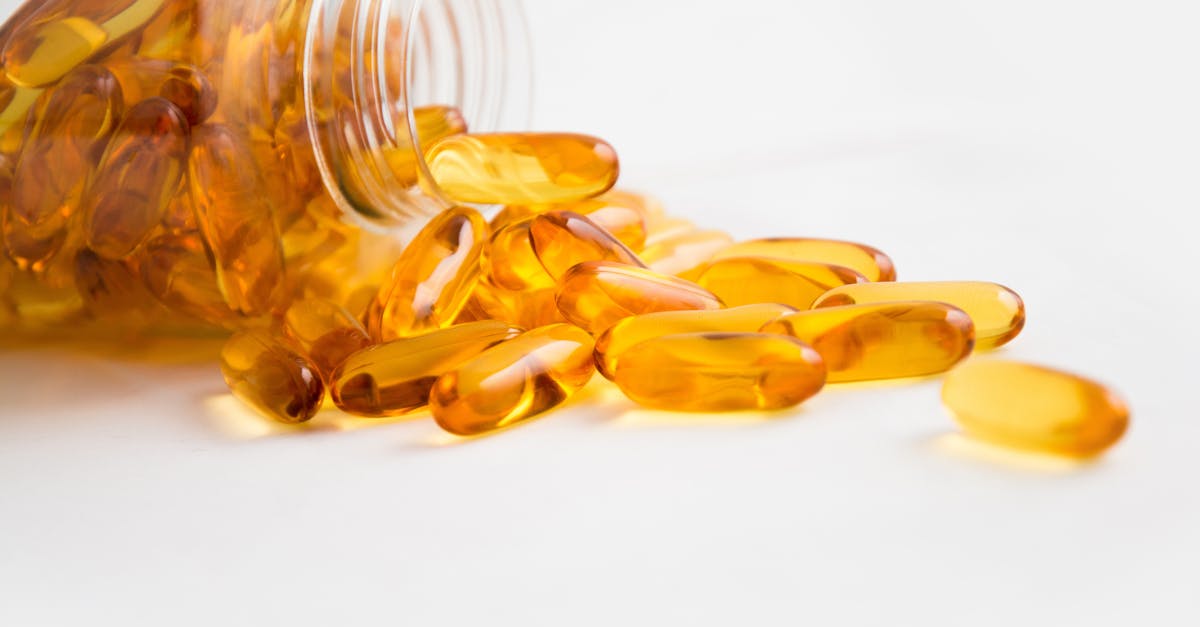
Total fat intake should be moderate for senior dogs, particularly if weight management is a concern. But the type of fat matters enormously. Omega-3 fatty acids (EPA and DHA from marine sources) should be prioritized for their anti-inflammatory benefits. The omega-6 to omega-3 ratio in many commercial diets is heavily skewed toward omega-6, which can promote inflammation. Supplementing with fish oil helps correct this imbalance.
Carbohydrates: Moderate, Complex, and Fiber-Rich
Senior dogs don't need high-carbohydrate diets, but appropriate amounts of complex carbohydrates and dietary fiber support gut health, provide sustained energy, and feed beneficial gut bacteria. Good sources include sweet potato, pumpkin, leafy greens, and other whole food carbohydrate sources.
The Micronutrient Priorities
B Vitamins
Essential for energy metabolism, neurological function, and cellular health. Requirements may increase in senior dogs due to reduced absorption efficiency. Organ meats (especially liver) are the richest natural source of bioavailable B vitamins.
Antioxidants
Vitamins E and C, selenium, and plant-derived antioxidants (from vegetables and fruits) help counteract the increased oxidative stress associated with aging. The brain is particularly vulnerable to oxidative damage, making antioxidant adequacy important for cognitive health.
Zinc
Critical for immune function, skin health, and wound healing. Zinc deficiency is more common in senior dogs than many owners realize and can manifest as skin issues, reduced immune function, and poor wound healing.
Vitamin D
Important for bone health, immune function, and cancer prevention. Unlike humans, dogs can't synthesize vitamin D from sunlight and must obtain it from diet. Deficiency is increasingly recognized as common in dogs and may contribute to age-related conditions.
The Role of Whole Food Ingredients
There's a growing recognition that isolated vitamins and minerals may not fully replicate the benefits of whole food sources. Whole foods contain complex matrices of nutrients, cofactors, and phytochemicals that work synergistically. This is why nutritionists increasingly recommend incorporating whole food ingredients alongside (or instead of) synthetic vitamin supplements:
- Beef liver: One of the most nutrient-dense foods on the planet. Rich in B vitamins, vitamin A, iron, copper, zinc, and high-quality protein.
- Bone broth: Provides glycine, proline, and glutamine for gut and joint health, along with minerals in bioavailable form.
- Oily fish: EPA and DHA in their natural phospholipid form, along with vitamin D and selenium.
- Colorful vegetables: Diverse antioxidants, fiber, and phytonutrients.
- Eggs: Complete protein, choline (important for brain health), and a good fatty acid profile.
Hydration
Often overlooked but essential. Senior dogs may have reduced thirst drive even as their hydration needs remain constant or increase (particularly with kidney changes). Incorporating moisture-rich foods (wet food, bone broth, hydrated supplements) helps maintain hydration.
What About Commercial Diets?
A high-quality commercial diet formulated for senior dogs can serve as an adequate base, but "adequate" isn't the same as "optimal." Most commercial diets meet minimum nutritional requirements (AAFCO standards) but don't necessarily provide the optimized nutrition that supports longevity. The gap between minimum requirements and optimal nutrition is where targeted supplementation becomes valuable. A product like LongTails, which combines NR, hydrolyzed collagen, bone broth powder, and beef liver, is specifically designed to bridge this nutritional gap for aging dogs.
A well-chosen supplement that provides concentrated NR for NAD+ support, hydrolyzed collagen for connective tissue, bone broth for gut health, and beef liver for micronutrient density can bridge the gap between what a commercial diet provides and what an aging body needs for optimal function.
Working with a Professional
If you're serious about optimizing your senior dog's nutrition, consider consulting a board-certified canine nutrition specialist (DACVN) who can develop a customized nutritional plan for your dog's specific needs, health conditions, and goals. While this represents a larger upfront investment, the guidance is tailored and evidence-based in a way that generic recommendations can't match.
Key Takeaways
- Senior dogs need adequate high-quality protein to combat anabolic resistance and maintain muscle mass and immune function.
- Omega-3 fatty acids should be prioritized for anti-inflammatory benefits. Most diets are imbalanced toward omega-6.
- B vitamins, antioxidants, zinc, and vitamin D are critical micronutrients with increased importance in aging dogs.
- Whole food ingredients (liver, bone broth, oily fish, vegetables) provide nutrient complexity that isolated supplements may not fully replicate.
- Commercial diets meet minimum standards but may not be optimal. Targeted supplementation bridges the gap between adequacy and optimization.