The Mitochondrial Nutrient Your Senior Dog's Heart May Need
Coenzyme Q10, commonly known as CoQ10 or ubiquinone, is a naturally occurring compound found in virtually every cell in your dog's body. Its highest concentrations are in organs with the greatest energy demands: the heart, liver, kidneys, and muscles. As dogs age, CoQ10 levels decline, and this decline may contribute to reduced cardiac function, decreased energy, and impaired cellular health.
CoQ10 has been used in human cardiology for decades, and its application in canine health science, while less established, follows the same biochemical logic.
How CoQ10 Works
CoQ10 serves two primary roles in the body:
Energy Production
CoQ10 is an essential component of the mitochondrial electron transport chain, the process by which cells convert nutrients into ATP (adenosine triphosphate), the molecular currency of cellular energy. Without adequate CoQ10, this energy production process becomes less efficient. The heart, which beats roughly 100,000 times per day in a medium sized dog, is particularly dependent on efficient ATP production.
Antioxidant Protection
CoQ10 is a potent lipid soluble antioxidant that protects cell membranes and mitochondrial membranes from oxidative damage. This is particularly important because the process of energy production in mitochondria itself generates free radicals. CoQ10 provides on site protection right where the damage occurs.
CoQ10 and Canine Heart Health
The strongest clinical interest in CoQ10 centers on heart disease. Several observations support its potential role:
- Dogs with dilated cardiomyopathy (DCM) have been found to have lower blood levels of CoQ10 compared to healthy dogs
- The energy demands of compromised cardiac tissue are particularly high, making adequate CoQ10 levels especially important
- Human clinical trials have shown that CoQ10 supplementation improves cardiac function and survival in heart failure patients
A study published in the Journal of the American Veterinary Medical Association examined CoQ10 supplementation in Boxers with arrhythmogenic right ventricular cardiomyopathy and found some evidence of improved cardiac parameters. However, the study was small, and larger trials are needed to make definitive clinical recommendations.
Despite the limited size of clinical studies, many canine cardiology specialists recommend CoQ10 supplementation as an adjunct therapy for dogs with heart disease, based on the strong human evidence and the biological plausibility in canines.
Beyond the Heart
General Cellular Health
Because CoQ10 supports mitochondrial function in all cells, its benefits extend beyond the heart. Aging cells throughout the body experience declining mitochondrial efficiency, contributing to reduced organ function, slower recovery, and decreased overall vitality. CoQ10 supplementation addresses this at the cellular level.
Gum and Dental Health
An interesting application that has some supporting evidence is oral health. Studies in humans have shown that CoQ10 supplementation can improve gum health and reduce periodontal inflammation. Given that dental disease is one of the most common health issues in senior dogs, this potential benefit is worth noting, even though canine specific studies are limited.
Exercise Recovery
CoQ10 may support faster recovery after physical activity by improving mitochondrial efficiency and reducing exercise induced oxidative stress. For senior dogs who still enjoy walks and play but seem to take longer to recover, CoQ10 supplementation might help.
Choosing a CoQ10 Supplement
Ubiquinone vs. Ubiquinol
CoQ10 comes in two forms: ubiquinone (the oxidized form) and ubiquinol (the reduced, active form). The body converts ubiquinone to ubiquinol and vice versa, but ubiquinol is considered more bioavailable, particularly for older animals whose conversion capacity may be reduced. Ubiquinol supplements tend to be more expensive but may be worth the investment for senior dogs.
Dosing
Clinical dosing guidelines for CoQ10 typically range from 1 to 3 mg per pound of body weight daily. For a 50 pound dog, that's 50 to 150 mg per day. Dogs with diagnosed heart conditions may be prescribed higher doses under professional supervision. Always follow your dog's care provider's specific recommendation rather than general guidelines.
Fat Soluble Considerations
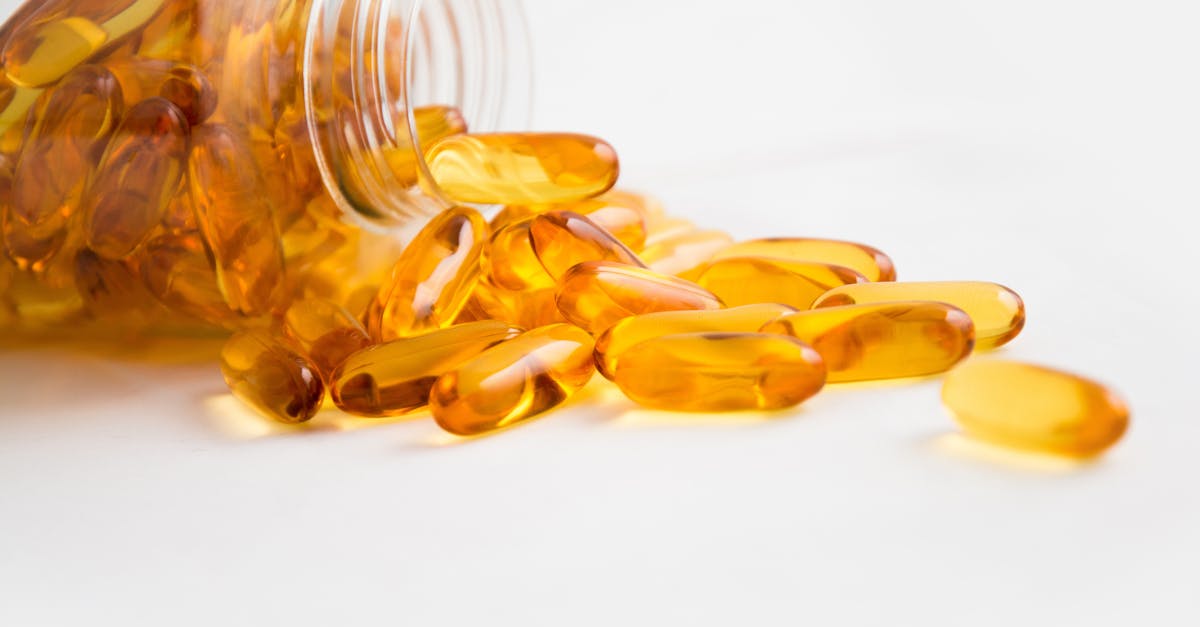
CoQ10 is fat soluble, meaning it absorbs best when taken with food, particularly food containing some fat. Giving CoQ10 on an empty stomach significantly reduces absorption. Some manufacturers use oil based softgel formulations to enhance bioavailability.
CoQ10 in the Context of Cellular Aging
CoQ10 supplementation addresses one aspect of mitochondrial decline: the efficiency of the electron transport chain. But mitochondrial aging is a multifaceted problem. NAD+ decline, which affects a different part of the energy production pathway, is another major contributor to cellular aging. The combination of CoQ10 support (for the electron transport chain) and NAD+ support (through precursors like nicotinamide riboside) addresses mitochondrial function more comprehensively than either alone.
This is why some canine nutrition experts are beginning to advocate for a combined approach to cellular health in senior dogs, supporting multiple pathways rather than relying on a single intervention. The concept is similar to how cardiovascular care uses multiple medications targeting different mechanisms rather than one drug at a higher dose.
Safety and Interactions
CoQ10 has an excellent safety profile in both humans and dogs. Side effects are rare and typically limited to mild gastrointestinal upset at high doses. However, there are important interactions to be aware of:
- CoQ10 may reduce the effectiveness of warfarin and other anticoagulant medications
- It may interact with some chemotherapy drugs
- It can lower blood sugar levels, which may be relevant for diabetic dogs on insulin
As with all supplements, inform your dog's care team about CoQ10 use, particularly if your dog is on any medications.
The Bottom Line
CoQ10 is a well characterized nutrient with a solid biological rationale for supplementation in senior dogs, particularly those with heart concerns. It's not a cure for heart disease, but as part of a comprehensive approach to cardiac and cellular health, it has a legitimate role. For healthy senior dogs, CoQ10 offers mitochondrial support that may contribute to sustained energy and vitality as cellular efficiency naturally declines with age.
Key Takeaways
- CoQ10 supports mitochondrial energy production and provides antioxidant protection at the cellular level
- Dogs with heart disease often have lower CoQ10 levels, and supplementation may improve cardiac function
- Ubiquinol (reduced form) is more bioavailable than ubiquinone, especially for older dogs
- Typical clinical dosing ranges from 1 to 3 mg per pound of body weight daily
- Give CoQ10 with food containing fat to maximize absorption
- consult a qualified professional about CoQ10, especially for dogs on cardiac medications, blood thinners, or insulin