The Fatty Acid Balance Most Dog Owners Never Consider
If you know anything about fats in your dog's diet, you probably know that omega-3 fatty acids are "good" and that fish oil is a popular supplement. What most dog owners don't know is that omega-3s don't work in isolation. Their benefits depend largely on their ratio to omega-6 fatty acids in the diet. And in many commercial dog foods, this ratio is dramatically skewed in the wrong direction.
Understanding the Omega Balance
Omega-3 and omega-6 fatty acids are both essential, meaning dogs cannot produce them internally and must obtain them from food. Both serve critical biological functions, but their effects on inflammation are opposite:
- Omega-6 fatty acids (primarily linoleic acid, found in poultry fat, corn oil, soybean oil, and sunflower oil) are precursors to pro-inflammatory compounds called eicosanoids. Inflammation is not inherently bad; it's a necessary immune response. But chronic, excessive inflammation drives disease.
- Omega-3 fatty acids (primarily EPA and DHA, found in fish oil, algae, and marine sources) produce anti-inflammatory eicosanoids and resolvins that help control and resolve inflammation.
These two families of fatty acids compete for the same enzymes. When omega-6 intake vastly exceeds omega-3 intake, the enzymatic pathways are dominated by pro-inflammatory products. The body's inflammatory "dial" gets turned up.
What the Ratios Look Like
Evolutionary estimates suggest that wild canids consumed omega-6 to omega-3 ratios of approximately 2:1 to 4:1. Modern commercial dog foods typically deliver ratios of 10:1 to 20:1, and some budget foods may be even higher. This imbalance results from the widespread use of cheap vegetable oils and poultry fat as primary fat sources in kibble manufacturing.
Most canine nutrition specialists recommend a dietary omega-6 to omega-3 ratio between 5:1 and 10:1 for general health, with ratios closer to 5:1 or lower for dogs with inflammatory conditions (arthritis, skin allergies, IBD).
Why This Matters More for Senior Dogs
Aging is fundamentally an inflammatory process. The low grade chronic inflammation that accumulates with age (sometimes called "inflammaging") drives joint degeneration, cognitive decline, cardiovascular disease, and cancer progression. Senior dogs are already operating with an elevated inflammatory baseline.
Feeding a diet with excessive omega-6 relative to omega-3 adds fuel to this inflammatory fire. Conversely, improving the ratio by increasing omega-3 intake and moderating omega-6 intake can meaningfully reduce the inflammatory burden your senior dog carries.
How to Assess and Improve Your Dog's Ratio
Step 1: Evaluate Your Dog's Current Food
Look at the fat sources in your dog's food. If the primary fats listed are poultry fat, chicken fat, corn oil, soybean oil, or sunflower oil, the food is likely high in omega-6. If fish oil, salmon oil, or flaxseed oil appears on the label, the manufacturer has made some effort to include omega-3s, but the amounts may be insufficient to meaningfully shift the ratio.
Some premium dog foods now list their omega-6 to omega-3 ratios on the label or on their website. This transparency is a positive sign.
Step 2: Add an Omega-3 Supplement
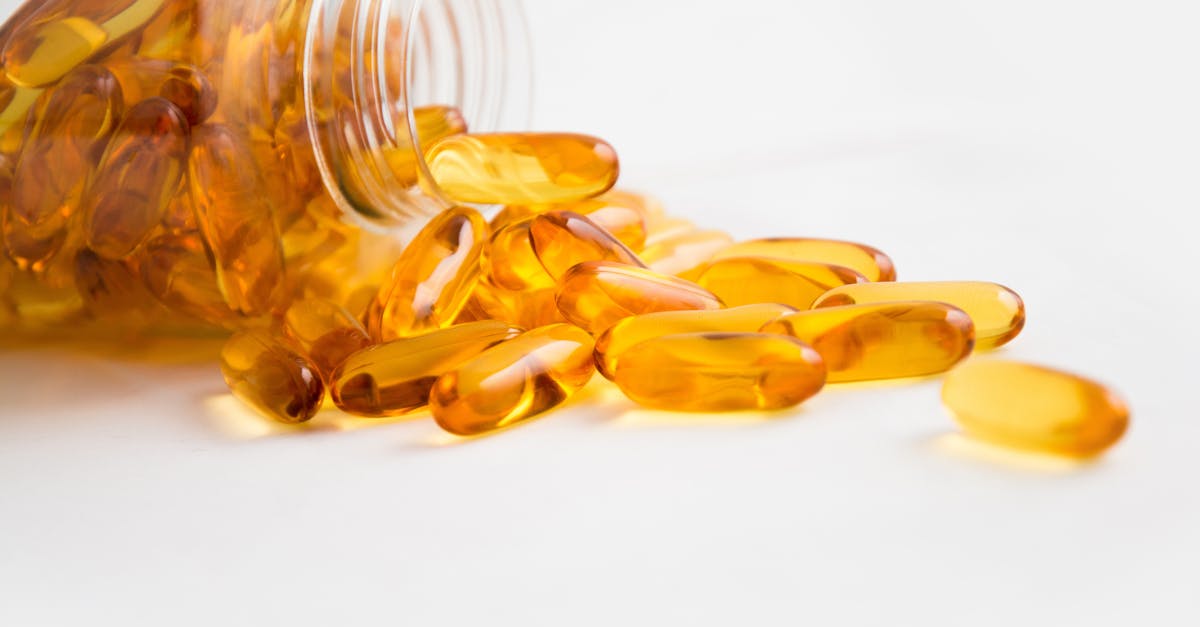
For most dogs on commercial diets, adding a fish oil supplement is the most practical way to improve the omega-3 to omega-6 balance. Look for products that list specific EPA and DHA content (not just total fish oil) and choose those sourced from small, cold water fish (anchovies, sardines) to minimize mercury exposure.
Dosing for general anti-inflammatory support: 20 to 30 mg combined EPA and DHA per pound of body weight daily. For dogs with active inflammatory conditions, your dog's care team may recommend higher doses up to 50 mg per pound.
Step 3: Consider Whole Food Omega-3 Sources
Sardines (canned in water, no salt added) are an excellent whole food omega-3 source. One small sardine provides approximately 100 to 150 mg of combined EPA and DHA. For a 50 pound dog, 2 to 3 sardines several times per week makes a meaningful contribution to omega-3 intake.
Step 4: Moderate Omega-6 Sources
You can't eliminate omega-6 (nor should you; it's essential), but you can avoid adding extra omega-6 on top of what's already in your dog's food. Avoid supplementing with corn oil, vegetable oil blends, or excessive poultry fat. If you add fat to your dog's meals, choose sources lower in omega-6 like fish oil or small amounts of coconut oil (which is primarily saturated fat and doesn't contribute significantly to either omega family).
The Connection to Supplement Strategy
Fatty acid balance is one component of a comprehensive approach to managing inflammation in senior dogs. It works alongside (not instead of) other strategies: weight management, appropriate exercise, and targeted supplementation for cellular health and structural support.
A dog receiving good omega-3 supplementation alongside cellular energy support through NAD+ precursors and structural support through hydrolyzed collagen is addressing inflammation from multiple angles. The omega-3s reduce inflammatory signaling, the NAD+ supports the cellular energy production that declines with age, and the collagen provides building blocks for tissue repair. This multi-pathway approach is more effective than any single intervention.
Common Questions
Can my dog get too much omega-3?
At very high doses, omega-3s can impair blood clotting and cause gastrointestinal upset. Stay within recommended dosing ranges and inform your dog's care team if your dog is on blood thinning medication.
What about flaxseed oil as an omega-3 source?
Flaxseed provides ALA (alpha-linolenic acid), a plant based omega-3 that dogs convert very poorly to EPA and DHA (estimated 5 to 15% conversion rate). Flaxseed is not an effective substitute for fish oil or marine omega-3 sources.
How long until I see results?
Improving the omega-3 to omega-6 ratio is a gradual process. Cell membranes take weeks to months to turnover and incorporate the new fatty acid profile. Most owners notice skin and coat improvements within 4 to 6 weeks, with joint and inflammatory benefits developing over 8 to 12 weeks.
Key Takeaways
- Omega-6 promotes inflammation while omega-3 resolves it; their ratio determines the body's inflammatory balance
- Most commercial dog foods have omega-6 to omega-3 ratios of 10:1 to 20:1, far higher than ideal
- Target a ratio between 5:1 and 10:1, with lower ratios for dogs with inflammatory conditions
- Fish oil supplementation (20 to 30 mg EPA/DHA per pound daily) is the most practical way to improve the ratio
- Sardines are an excellent whole food omega-3 source for dogs
- consult a qualified professional for appropriate dosing, especially for dogs on blood thinning medications