Navigating the Supplement Aisle for Your Aging Dog
Walk into any pet store and you'll find an entire wall dedicated to supplements. Calming chews, joint powders, multivitamins, digestive aids, skin and coat formulas. The sheer volume of options can make even the most informed dog owner feel overwhelmed. After fifteen years in integrative canine health, the evidence shows that most of those products fall into one of three categories: genuinely helpful, overhyped but harmless, or a complete waste of money.
Let's break them down so you can make smarter decisions for your senior dog.
What Actually Works for Senior Dogs
Joint Support (Glucosamine, Chondroitin, and MSM)
This is the most studied category in canine supplementation, and the evidence is fairly strong. Glucosamine and chondroitin sulfate have shown measurable benefits in multiple clinical studies, particularly for dogs with early to moderate osteoarthritis. The key is dosing. Many products on the market contain therapeutic doses that are too low to be effective. For a 50 pound dog, you want at least 500mg of glucosamine and 400mg of chondroitin daily.
MSM (methylsulfonylmethane) adds anti-inflammatory support and pairs well with the other two. If your senior dog shows any stiffness after rest or reluctance to jump, this trio is worth considering.
Omega-3 Fatty Acids
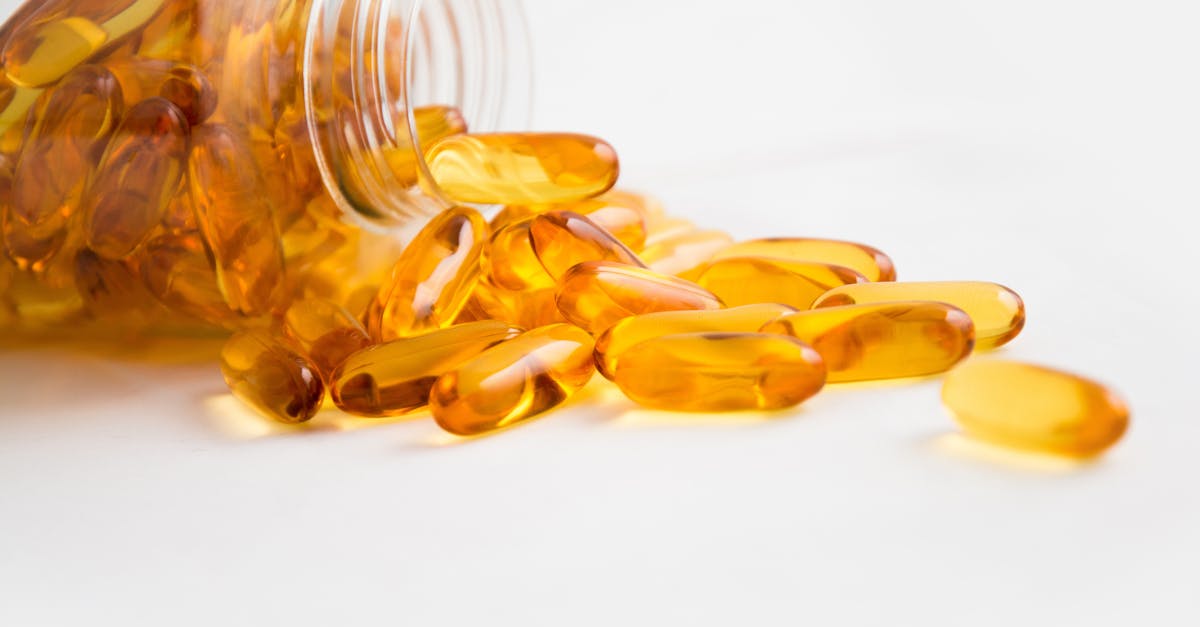
Fish oil remains one of the most broadly beneficial supplements for aging dogs. EPA and DHA support joint health, cognitive function, skin integrity, and cardiovascular health. The catch? Quality varies enormously. Look for products that list the actual EPA and DHA content (not just "fish oil"), and choose brands that test for heavy metals and oxidation.
Collagen and Connective Tissue Support
Hydrolyzed collagen has gained significant traction in the canine nutrition community over the past few years, and for good reason. As dogs age, their natural collagen production declines, affecting joints, skin, gut lining, and mobility. Studies show that hydrolyzed collagen peptides are absorbed efficiently and can support cartilage repair and skin elasticity in aging dogs.
NAD+ Precursors
This is the most exciting frontier in canine longevity science. Nicotinamide riboside (NR) supports cellular energy production by boosting NAD+ levels, which decline significantly with age. Research from institutions like Harvard and the University of Washington has shown that restoring NAD+ levels can improve mitochondrial function, DNA repair, and metabolic health. The canine applications are still being studied, but early results are promising. Products like LongTails that combine NR with whole food ingredients like bone broth and beef liver offer a practical way to support cellular health alongside traditional nutrition.
What's Overhyped (but Not Harmful)
Coconut Oil
Coconut oil became a wellness darling for both humans and dogs, but the evidence for dogs is thin. It contains medium chain triglycerides (MCTs), which may support cognitive function in some dogs, but at the doses most owners give, the primary effect is extra calories. It won't hurt your dog in moderate amounts, but it's not the miracle ingredient some brands claim.
Apple Cider Vinegar
Despite widespread claims, there's essentially no clinical evidence that apple cider vinegar improves digestion, fights infections, or balances pH in dogs. Small amounts mixed into water are harmless, but don't expect therapeutic benefits.
Generic "Superfood" Blends
Products that list fifteen or twenty ingredients in a proprietary blend sound impressive, but often contain such small amounts of each ingredient that none reaches a therapeutic dose. This is what I call the "kitchen sink" approach, and it prioritizes marketing over efficacy.
What to Skip Entirely
Unregulated Herbal Blends
Supplements containing exotic herbs with no dosing research in dogs are a gamble. Some herbs that are safe for humans can be toxic to dogs, and without standardized dosing, you're guessing. If an herbal supplement doesn't cite any research or professional guidance, proceed with extreme caution.
Products with Artificial Colors or Flavors
There is absolutely no reason for a supplement to contain artificial dyes. If a product relies on bright colors or artificial bacon flavoring, it's a signal that the manufacturer is focused on shelf appeal rather than your dog's health.
Mega-Dose Vitamins
More is not better. Fat soluble vitamins (A, D, E, K) can accumulate to toxic levels, and even water soluble vitamins in excessive doses can cause digestive upset or interfere with other nutrients. Unless a qualified professional has identified a specific deficiency through bloodwork, skip the mega-dose multivitamins.
How to Evaluate Any Supplement
Before buying any supplement for your senior dog, run through this checklist:
- Does it list specific ingredient amounts (not just a proprietary blend)?
- Are the doses appropriate for your dog's weight?
- Is there published research supporting the key ingredients?
- Does the company provide third party testing results?
- Is it free from unnecessary fillers, artificial colors, and sweeteners?
If a product can't pass these basic tests, your money is better spent elsewhere.
A Practical Starting Point
If your senior dog isn't currently on any supplements and you're wondering where to begin, experts typically recommend starting with two foundations: omega-3 fatty acids and a quality joint or whole body support formula. From there, you can add targeted supplements based on your dog's specific needs and your dog's care team recommendations.
The supplement industry for pets is largely unregulated, which means the responsibility falls on you to be a critical consumer. But armed with the right knowledge, you can find products that genuinely improve your dog's quality of life in their golden years.
Key Takeaways
- Joint support supplements (glucosamine, chondroitin, MSM) have the strongest evidence base for senior dogs
- Omega-3 fatty acids offer broad benefits but quality varies widely between products
- NAD+ precursors and hydrolyzed collagen represent promising frontiers in canine longevity
- Avoid products with proprietary blends, artificial additives, or mega-dose vitamins
- Always verify ingredient amounts, dosing, and third party testing before purchasing
- consult a qualified professional before starting any new supplement regimen