Understanding One of the Most Overprescribed Dog Supplements
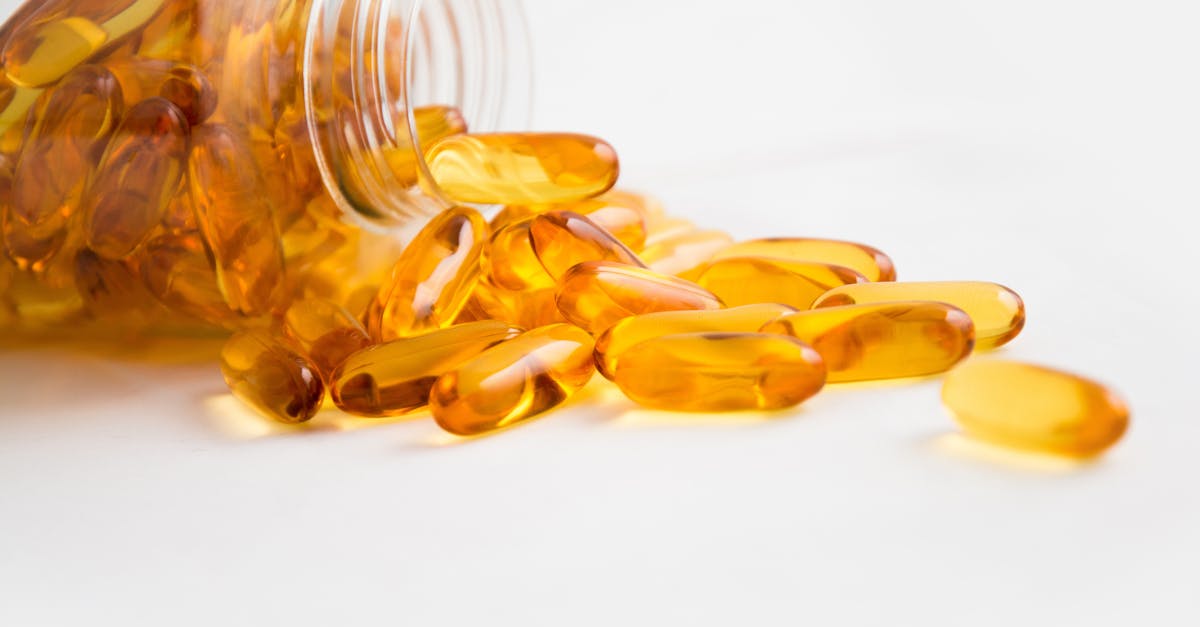
Vitamin E shows up in an astonishing number of pet products: dog food, skin supplements, multivitamins, coat conditioners, and standalone capsules. It's often recommended by well meaning dog owners in online forums as a catch all solution for skin problems, immune support, and general wellness. But like most nutrients, vitamin E's story is more nuanced than "more is better."
After years of fostering senior dogs and working with multiple canine health professionals to manage their health, I've developed a more balanced view of this popular vitamin.
What Vitamin E Actually Does
Vitamin E is a fat soluble antioxidant that protects cell membranes from damage caused by free radicals. Free radicals are unstable molecules produced during normal metabolism and in response to environmental stressors (pollution, UV radiation, toxins). Left unchecked, free radical damage contributes to inflammation, tissue degradation, and accelerated aging.
In dogs, vitamin E plays specific roles in:
- Cell membrane protection: Every cell in your dog's body has a lipid (fat) membrane, and vitamin E is the primary antioxidant protecting these membranes from oxidative damage.
- Immune function: Vitamin E supports both the innate and adaptive immune systems. Deficiency impairs immune cell function and increases susceptibility to infection.
- Skin health: As an antioxidant present in skin cell membranes, vitamin E protects against UV damage and supports skin barrier function.
- Muscle function: Severe vitamin E deficiency can cause degenerative myopathy (muscle disease) in dogs, though this is rare in dogs fed commercial diets.
- Reproductive health: Vitamin E supports fertility and fetal development, though this is primarily relevant for breeding dogs.
When Vitamin E Supplementation Helps
Diagnosed Deficiency
This is the clearest indication. Dogs with malabsorption disorders (like exocrine pancreatic insufficiency or inflammatory bowel disease) may not absorb adequate vitamin E from their diet. Dogs on very low fat diets may also be at risk, since vitamin E requires fat for absorption. In these cases, canine health professional directed supplementation makes clear sense.
Dogs with Skin Conditions
Some dermatological conditions, particularly discoid lupus erythematosus and certain types of sebaceous adenitis, have responded to high dose vitamin E in clinical case studies. The anti-inflammatory and antioxidant properties may help manage these specific conditions. However, this is therapeutic supplementation prescribed by a canine health professional at specific doses, not general wellness supplementation.
Dogs on Home Prepared Diets
Commercial dog foods are formulated to include adequate vitamin E, but homemade diets may fall short, particularly if they're low in vitamin E rich foods (like organ meats, eggs, and certain oils). If you prepare your dog's food at home, work with a canine nutrition specialist to ensure adequate vitamin E levels.
When Vitamin E Is Unnecessary
Dogs on Complete Commercial Diets
If your dog eats a commercial diet that meets AAFCO standards, the food already contains sufficient vitamin E. Adding a separate vitamin E supplement on top of an adequate diet provides minimal benefit and increases the risk of oversupplementation.
As a General "Anti-Aging" Supplement
The logic seems sound: vitamin E fights free radicals, free radicals contribute to aging, so more vitamin E should slow aging. Unfortunately, this oversimplification doesn't hold up in clinical research. Large studies in humans have shown that antioxidant supplementation beyond adequate dietary intake does not extend lifespan or reliably prevent chronic disease. Similar research in dogs is limited, but the biochemistry suggests the same principle applies.
The body's antioxidant system is complex and interconnected. Dumping excess vitamin E into the system doesn't linearly improve antioxidant capacity; it can actually disrupt the balance between different antioxidant pathways.
The Risks of Too Much Vitamin E
As a fat soluble vitamin, vitamin E accumulates in body tissues rather than being excreted in urine like water soluble vitamins. While vitamin E has a wider safety margin than vitamins A or D, excessive supplementation can cause:
- Impaired blood clotting: High dose vitamin E has anticoagulant properties that can interfere with vitamin K dependent clotting factors. This is particularly concerning for dogs on blood thinning medications or those with clotting disorders.
- Interference with other fat soluble vitamins: Excessive vitamin E can compete with vitamins A, D, and K for absorption and utilization.
- Gastrointestinal upset: High doses can cause nausea, diarrhea, and decreased appetite.
Natural vs. Synthetic Vitamin E
Not all vitamin E supplements are created equal. The natural form (d-alpha-tocopherol) is roughly twice as bioavailable as the synthetic form (dl-alpha-tocopherol). You can distinguish them on labels by the "d" versus "dl" prefix. Additionally, vitamin E encompasses eight different compounds (four tocopherols and four tocotrienols), and some research suggests that mixed tocopherol supplements may be more beneficial than isolated alpha-tocopherol.
In pet supplements, vitamin E often appears as "mixed tocopherols" in the ingredient list, where it serves double duty as both a nutrient and a natural preservative to prevent fat oxidation in the product.
The Bottom Line for Senior Dog Owners
Vitamin E is an essential nutrient, and adequate intake is important for your senior dog's health. But "adequate" is the key word. For most dogs eating quality commercial food, vitamin E needs are already met. Adding a standalone vitamin E supplement without professional guidance offers minimal benefit and carries some risk.
If you want to support your senior dog's overall cellular health, consider approaches that address aging more broadly rather than isolated nutrient supplementation. Cellular energy support (through NAD+ precursors), structural protein support (through hydrolyzed collagen), and whole food nutrition (through ingredients like bone broth and organ meats) address multiple aging pathways simultaneously, rather than pouring excess of a single antioxidant into an already adequate system.
As with any supplement decision, consult a qualified professional. They can assess whether your individual dog's diet and health status warrant additional vitamin E or whether your resources are better directed elsewhere.
Key Takeaways
- Vitamin E is an essential fat soluble antioxidant that protects cell membranes and supports immune function
- Supplementation is warranted for dogs with malabsorption disorders, specific skin conditions, or inadequate diets
- Dogs on complete commercial diets typically receive adequate vitamin E without supplementation
- Excessive vitamin E can impair blood clotting and interfere with other fat soluble vitamins
- Natural vitamin E (d-alpha-tocopherol) is roughly twice as bioavailable as synthetic (dl-alpha-tocopherol)
- consult a qualified professional before adding vitamin E, especially for dogs on blood thinning medications