The Economics of Quality in Pet Supplementation
I had a client last month who had been giving her twelve year old Labrador a budget joint supplement for two years. She came in because his mobility had continued declining despite "doing everything right." When I looked at the supplement, I found a proprietary blend with almost certainly sub-therapeutic ingredient doses. She had spent over $600 on a product that, in my clinical assessment, had provided little to no actual joint support.
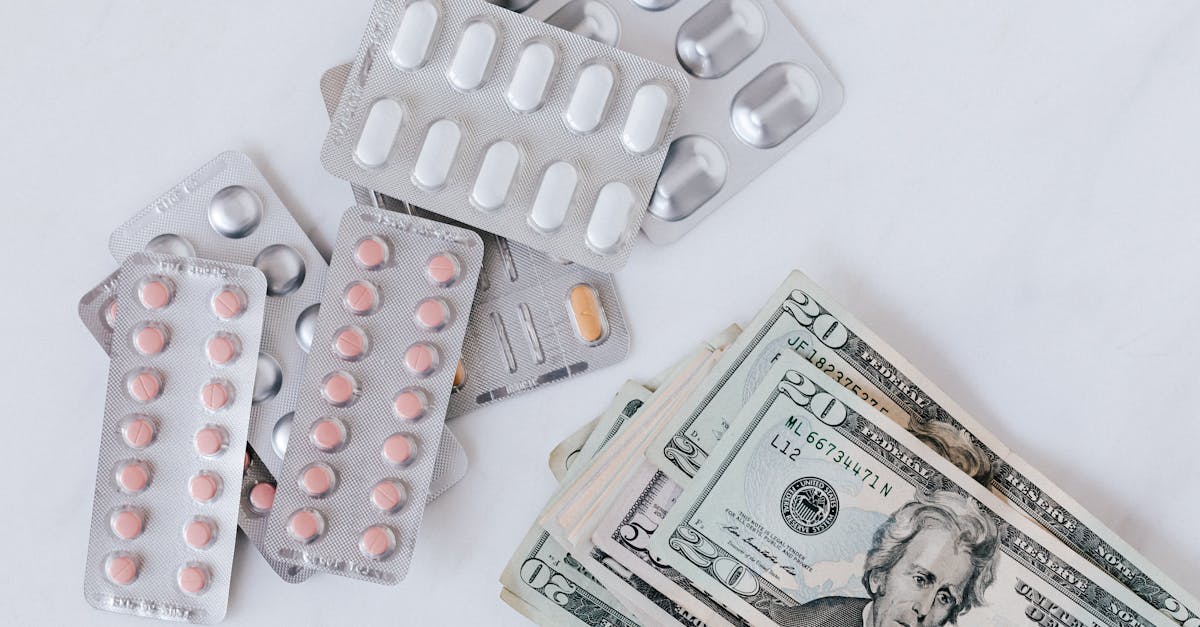
That $600 represents what I call the "cheap supplement tax": the cumulative cost of buying products that don't deliver meaningful benefits. It's one of the most common and least discussed financial traps in pet health care.
Why Quality Supplements Cost More
Understanding the cost structure helps explain why there's such a price gap between products:
Raw Ingredient Costs
Supplement ingredients vary enormously in cost. Nicotinamide riboside (NR) costs significantly more than generic glucosamine. Hydrolyzed collagen from grass fed bovine sources costs more than unhydrolyzed collagen from unspecified origins. Freeze dried beef liver costs more than brewer's yeast flavoring. Companies that use premium, well sourced ingredients simply have higher costs that must be reflected in the price.
Therapeutic Dosing
Using therapeutic amounts of active ingredients is more expensive than using trace amounts. A supplement that provides 500mg of glucosamine per serving uses five times more raw material than one providing 100mg. When you multiply this across every ingredient and every serving in a package, the cost difference is substantial.
Manufacturing Quality
Manufacturing in GMP (Good Manufacturing Practice) certified facilities costs more than manufacturing in facilities without certification. Third party testing of every batch adds cost. Proper packaging that protects sensitive ingredients (light protected containers, moisture barriers, nitrogen flushing) adds cost. Each of these steps ensures you're getting what the label says, but none of them are free.
Research and Formulation
Companies that invest in evidence based formulation, hire canine nutrition specialists or scientists to design their products, and stay current with published research incur costs that companies copying existing formulas do not.
The Ways Cheap Products Cut Corners
Sub-Therapeutic Doses
The most common corner cut. Use less of the expensive ingredient, fill the rest with cheap material, and rely on consumers not knowing the difference. The product "contains glucosamine," which is technically true even at 50mg (a fraction of a therapeutic dose).
Inferior Ingredient Forms
Not all glucosamine is the same. Not all collagen is the same. Not all omega-3 is the same. Cheaper forms are less bioavailable, meaning even if the listed amount seems adequate, the amount your dog actually absorbs may be significantly less.
Padding with Fillers
Maltodextrin, rice flour, and cellulose cost a fraction of a cent per gram. They make the product look and feel substantial while diluting the active ingredients. A 3 gram chew sounds generous until you realize 2 grams of it is filler.
Minimal Testing
Third party testing for purity, potency, and contaminants costs money per batch. Companies selling at rock bottom prices often skip this step entirely. Without testing, there's no verification that what's on the label matches what's in the product.
The Opportunity Cost
Beyond the direct financial waste, there's an opportunity cost to cheap supplements that may be more significant. Every month your dog takes an ineffective supplement is a month of aging without the support an effective product could have provided. For conditions like arthritis, cellular aging, and muscle loss, earlier intervention with effective products yields better outcomes than delayed intervention.
The time your senior dog has is finite. Spending that time on products that don't work isn't just a waste of money; it's a waste of the window in which intervention could have made a difference.
How to Invest Wisely
I'm not suggesting you need to buy the most expensive product on the shelf. Price alone isn't a quality indicator. But here's how to spend smarter:
- Start with your dog's specific needs. Identify the one or two areas where supplementation would provide the most benefit (joint support, cellular health, digestive support). Invest in quality products for those specific needs rather than spreading your budget across many cheap products.
- Do the math. Calculate cost per milligram of active ingredient. You'll often find that "expensive" products are cheaper on this metric.
- Demand transparency. If a company won't tell you how much of each ingredient is in their product, they're hiding something. This non-negotiable filter eliminates many low quality products immediately.
- Look for verifiable quality markers. NASC seal, third party testing, GMP manufacturing, clearly identified ingredient sources.
- Set a realistic budget. For most senior dogs, $1.50 to $2.50 per day covers quality supplementation for their primary needs. That's roughly the cost of a cup of coffee. Your dog's golden years are worth that investment.
A Practical Example
Consider two approaches to senior dog supplementation:
Approach A (budget): Buy three different cheap supplements covering joints, vitamins, and digestion. Total: approximately $70/month. Each product uses proprietary blends, contains extensive filler lists, and provides uncertain therapeutic value.
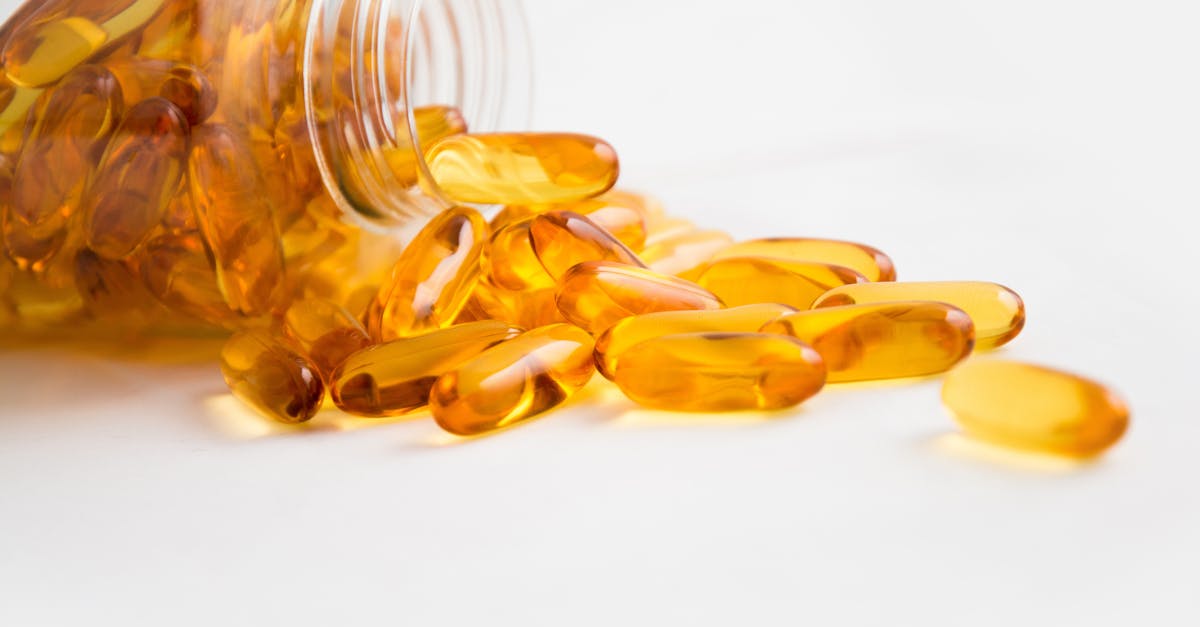
Approach B (quality): Buy one comprehensive quality supplement (like LongTails at $39.95/month) plus a quality fish oil ($16/month). Total: approximately $56/month. Both products provide transparent dosing, clean formulations, and evidence based ingredients.
Approach B costs less and delivers more. The "expensive" route is actually the economical one.
As with most things in life, you get what you pay for in pet supplements. But more importantly, your dog gets what you pay for. Make it count.
Key Takeaways
- Budget supplements often deliver sub-therapeutic doses, creating a "cheap supplement tax" of wasted spending
- Quality supplement costs reflect better ingredients, therapeutic dosing, manufacturing standards, and testing
- Cheap products cut corners through proprietary blends, inferior ingredient forms, filler padding, and minimal testing
- Time spent on ineffective supplements is a lost opportunity for meaningful intervention during your dog's senior years
- Calculate cost per active ingredient milligram for true value comparison
- A focused investment in one or two quality products often costs less and delivers more than multiple budget products