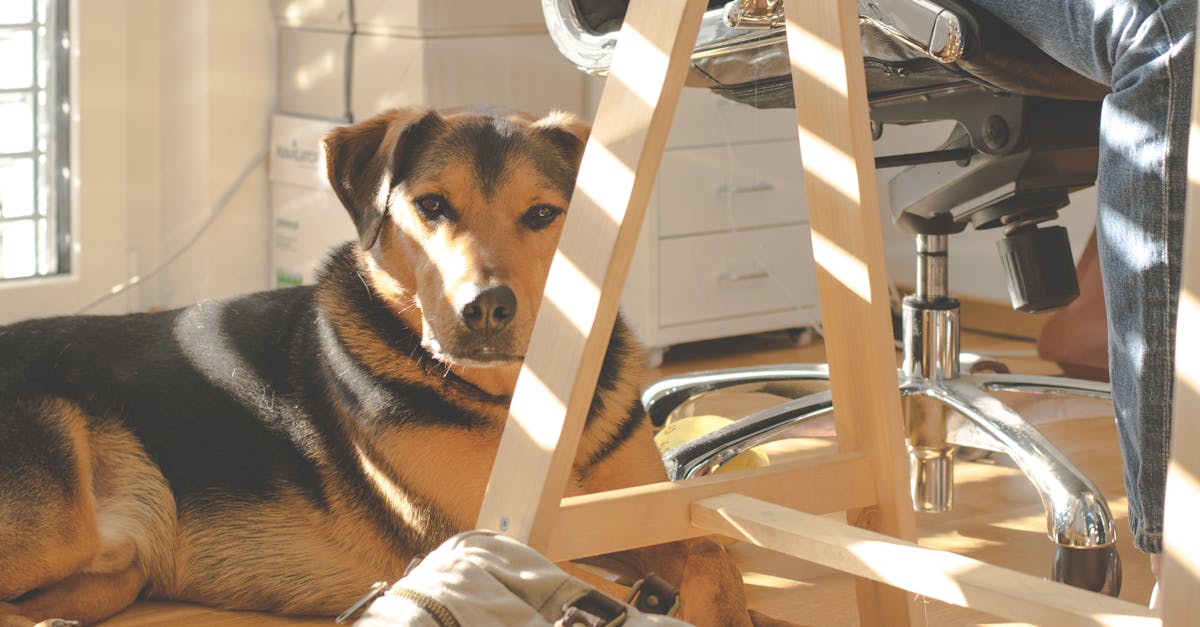
One of the unexpected silver linings of working from home has been the time it gives me with Bowie. Before remote work, he spent eight or nine hours alone every day. Now I am here for every nap, every stretch, every slow trip to the water bowl. But working from home with a senior dog requires some thoughtful setup to make sure both of you thrive.
Your Workspace Is Their Space Too
The first thing I did when I started working from home was set up a dedicated dog station in my office. This is not just a bed on the floor (though it started that way). It evolved into something more intentional:
- An orthopedic bed positioned where Bowie can see me without being underfoot
- A water bowl within easy reach of his bed so he does not have to walk to the kitchen when he is stiff
- A non-slip rug creating a path from his bed to the door, since our hardwood floors are treacherous for old joints
- A low nightlight for darker afternoons, because Bowie's night vision is not what it used to be
Building Breaks into Your Workday
Senior dogs need periodic movement to prevent joint stiffness. Sitting (or lying) in one position for hours is just as bad for them as it is for us. I schedule my day around natural dog-break points:
The 10-10-10 Method
Every 90 minutes, I take a 10-minute break that includes:
- 10 gentle pets and a quick body scan (checking for anything unusual)
- A short trip outside for a bathroom break and fresh air
- A small drink of water offered (even if he does not take it)
This rhythm keeps Bowie comfortable and mobile throughout the day, and honestly, it keeps me healthier too. The Pomodoro technique has nothing on the Senior Dog technique.
Managing the Noise Factor
Video calls and a senior dog can be a comedy of errors. Bowie has reached the age where he sometimes barks at nothing, groans loudly when he repositions, and occasionally snores at volumes that rival construction equipment. Here is how I handle it:
- Invest in a good noise-canceling microphone (not headset, standalone mic)
- Use the mute button religiously
- Position your camera so your dog is not directly behind you (unless your colleagues enjoy the show, which mine do)
- For important calls, a stuffed Kong or lick mat keeps most dogs quietly occupied for 20 to 30 minutes
The Supplement and Feeding Schedule Advantage
Working from home means you can split your senior dog's meals into three or even four smaller portions throughout the day, which many canine health professionals recommend for older dogs. Smaller, more frequent meals support better digestion and more stable energy levels.
I give Bowie his morning supplements with his first meal at 7am, a small lunch at noon, and dinner at 5:30pm. His LongTails powder goes with the morning meal since the NR component supports cellular energy that is most useful during his active hours. Being home means I never miss a dose and can observe how he responds to his food and supplements in real time.
Recognizing When They Need You vs. When They Need Space
One thing that surprised me about working from home with a senior dog is that they do not always want your attention. Bowie has a clear rhythm: he wants engagement in the morning and evening, but during the midday hours, he genuinely prefers to sleep undisturbed. If I interrupt his afternoon nap to pet him, he gives me a look that clearly communicates "I am busy."
Learn your dog's rhythm and respect it. Not every whimper requires a response. Not every position change means discomfort. Sometimes an old dog just wants to rearrange himself and go back to sleep.
The Emergency Preparedness Factor
Here is something no one talks about: working from home with a senior dog means you are there when something goes wrong. I have caught two incidents that would have gone unnoticed if I were at an office. Once, Bowie had a bout of vestibular disease that came on suddenly around 2pm on a Tuesday. Because I was home, I was able to get him to the clinic within an hour. If I had been at work, he would have been alone, terrified, and unable to stand for hours before I found him.
Having your dog's care provider's number, an emergency clinic's number, and a plan for rapid transport is important for any dog parent, but being home means you can act immediately when it matters most.
Making It Work Long Term
The key to successfully working from home with a senior dog is boundaries, not between you and your dog, but between "work mode" and "dog mode." When I am at my desk, Bowie knows I am available but occupied. When I close the laptop, he knows I am fully his. That boundary keeps me productive and keeps him from becoming anxious about inconsistent attention.
Key Takeaways
- Create a dedicated, comfortable dog station in your workspace with bed, water, and non-slip surfaces
- Take structured breaks every 90 minutes that include movement for both you and your dog
- Use working from home as an opportunity to split meals into smaller, more frequent portions
- Invest in a good microphone and use mute liberally during calls
- Learn and respect your senior dog's natural rhythm of activity and rest
- Being home means faster response to health emergencies, so keep clinic contacts handy